Why I started the channel
For decades, I have wanted to edit an anthology of poems I love. A collection I could pick up and enjoy without having to leaf through pages of poems that did little for me.
I found that frustrating about anthologies. There would be poems I wanted to return to, scattered among many that I did not appreciate much. Someone else’s selection, however thoughtful, could never quite be mine. I wanted to bring my favourites together in one place, chosen for the pleasure I took in reading them.
That desire stayed with me for years. It has now found a form I had not originally imagined: my Classic Poems YouTube channel.
From the page to video
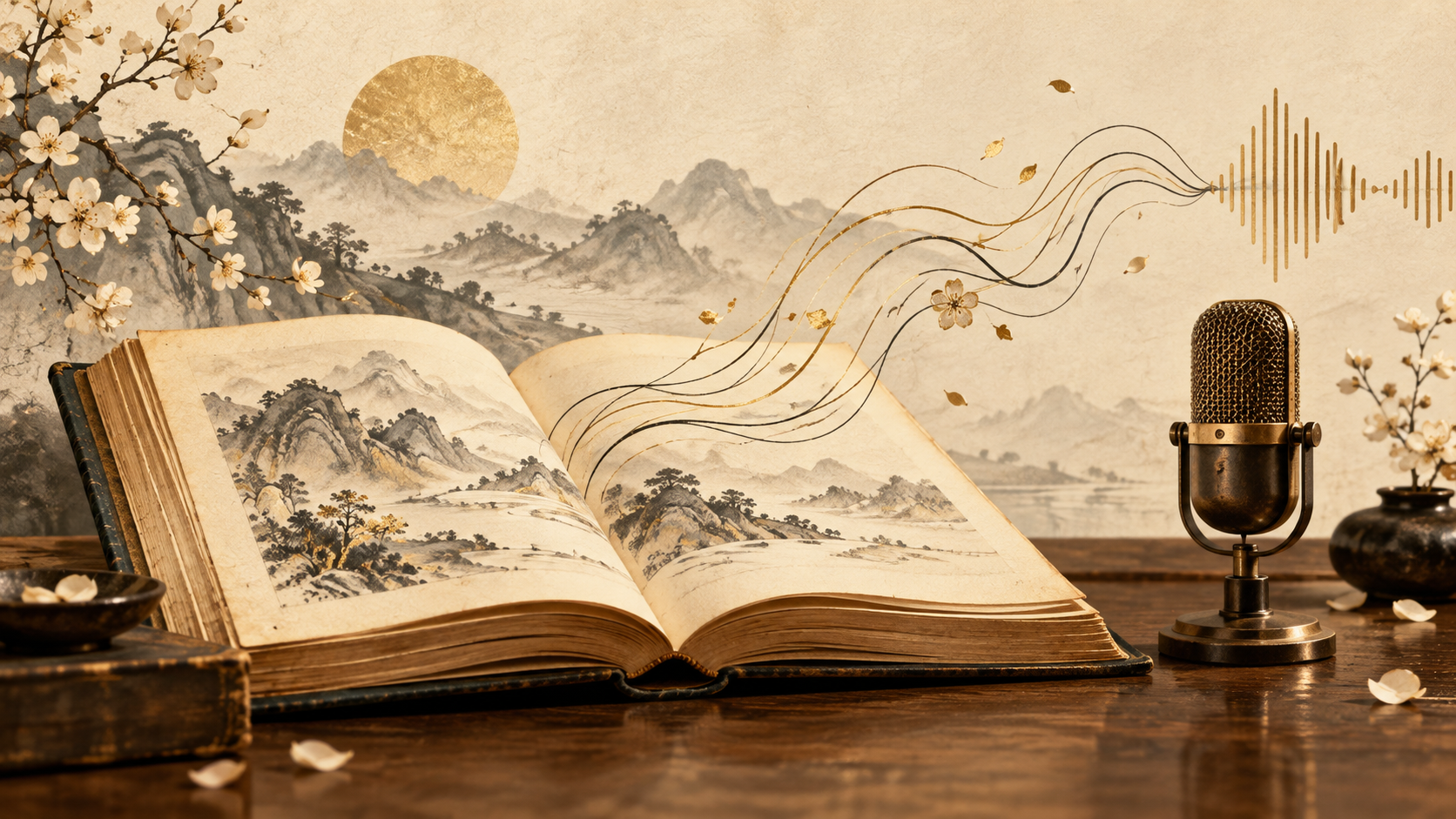
When I read and assimilate a poem, I visualize it. The words suggest an atmosphere, a movement, a scene. I linger over a line, hear its rhythm, and let an image take shape. That has always been part of how I read poetry.
Discovering what AI models could do made me think about sharing some of that experience. I could give a poem a voice and a visual treatment, turning the reading into a video. The anthology I had wanted to edit could become a collection people could watch and listen to.
YouTube made that idea especially appealing. A printed anthology would have asked someone to find the book and open it. A video could reach someone who had never gone looking for poetry at all. They might arrive for a few minutes, hear a poem, and find something they wanted to return to.
The selection remains personal. These are poems I love, narrated by an AI voice whose delivery I guide. I shape the visuals around how I experience each poem, and decide whether the result feels right.
Bringing the poems to life
I built a tool called poemvid to help turn those choices into finished videos. There is quite a bit happening behind the scenes, but the broad process is straightforward:
- Choose and prepare the poem. I start with a poem I want in my collection, keeping its wording, line breaks, and stanza structure intact, along with its title and author.
- Shape the reading. I choose an AI voice and direct the delivery to suit the poem. The pace, pauses, and expression matter: the same words can feel very different depending on how they are spoken.
- Give it a visual treatment. I choose colours, atmosphere, and movement that reflect how I experience the poem. The words remain on screen, with highlighting that helps the reader follow the voice.
- Check the narration and timing. The reading is checked against the text, and the displayed words are checked for agreement with the spoken delivery. A convincing voice is of little use if it reads a word incorrectly or the visuals race ahead of it.
- Render, review, and share. I bring the reading and visuals together, watch and listen to the result, make adjustments where needed, and upload the finished video to the channel.
The part I care about most is still the encounter with the poem. The production process needs to support that: make the words easy to follow, give the reading room to breathe, and create an atmosphere in which I would want to listen.
My old wish to edit an anthology is taking shape, one poem at a time. Each video is a selection from that collection, accompanied by something of the way I hear and visualize it.
If that appeals to you, visit Classic Poems on YouTube. I hope you find a poem there that you will want to return to.